
The core foundation for a stable, secure and scalable IT system
In every business IT system, the database is always the “heart”. Whether a business uses accounting software, ERP, CRM, a medical records management system or e-commerce platforms, everything revolves around storing, processing and making use of data.
Choosing the right type of database from the start affects not only system performance but also stability, security, scalability and long-term operating costs. Many systems have had to be rebuilt or upgraded at great expense simply because the database chosen at the outset did not fit the scale and direction of growth.
This article is written from a business consulting perspective to help you understand the most common types of databases today, the strengths and weaknesses of each, and when each should be used.
1. Relational databases (RDBMS)

Relational databases are the most common and longest-established type of database, widely used in most businesses today. Data is organized in tables with rows, columns, primary keys, foreign keys and strict constraints.
The greatest strength of relational databases lies in data integrity and high stability. Relational database management systems usually support the ACID standard, ensuring that data remains accurate even when the system fails.
In a business environment, relational databases are especially suitable for systems with:
- Complex business operations
- Closely related data
- High requirements for accuracy and consistency
SQL Server
SQL Server is usually the choice of businesses that use the Microsoft ecosystem. It integrates very well with .NET, Active Directory and Microsoft's administration tools. SQL Server suits medium and large businesses, especially for internal systems, ERP and management software.
Oracle Database
Oracle is the leading choice for large enterprises, corporations and mission-critical systems. Oracle's strengths are its ability to handle large volumes of data, extremely high stability, strong security and powerful scalability. However, Oracle's licensing and operating costs are quite high, and it requires a technical team with deep expertise.
MySQL / MariaDB
MySQL and MariaDB are very popular in web systems, e-commerce and startups. Their advantages are easy deployment, low cost and a large community. For small and medium-sized businesses, MySQL can serve very well if the database is designed properly.
PostgreSQL
PostgreSQL is increasingly chosen by businesses for its ability to handle complex data and its strong support for JSON, full-text search and advanced features. It is an open-source database with enterprise-grade quality, suitable for systems that need to be both relational and flexible.
2. Non-relational databases (NoSQL)
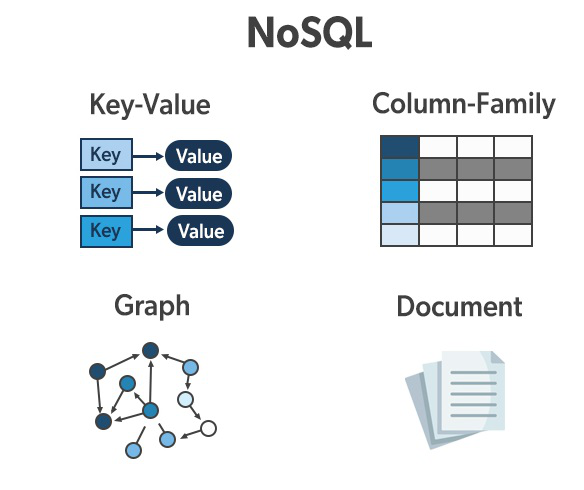
As data grows larger and more varied and no longer fits the traditional table model, NoSQL systems emerged to address performance, scalability and data flexibility.
NoSQL does not focus on relationships between tables; instead it prioritizes:
- Access speed
- Horizontal scalability
- Flexible data structures
Document Database (MongoDB)
MongoDB stores data as documents (JSON/BSON) and is well suited to systems with:
- Frequently changing data
- APIs and microservices
- Web and mobile applications
MongoDB helps developers build quickly, but it needs careful design to avoid redundant data that is hard to control.
Key-Value Database (Redis)
Redis is usually not used as the primary database; instead it serves as a cache, session store or queue. Redis speeds up systems considerably, reduces the load on the primary database and improves the user experience.
Column-based Database
Some NoSQL systems store data by column, which suits big data analytics, system logs and real-time reporting.
3. Databases for analytics and reporting (Data Warehouse)
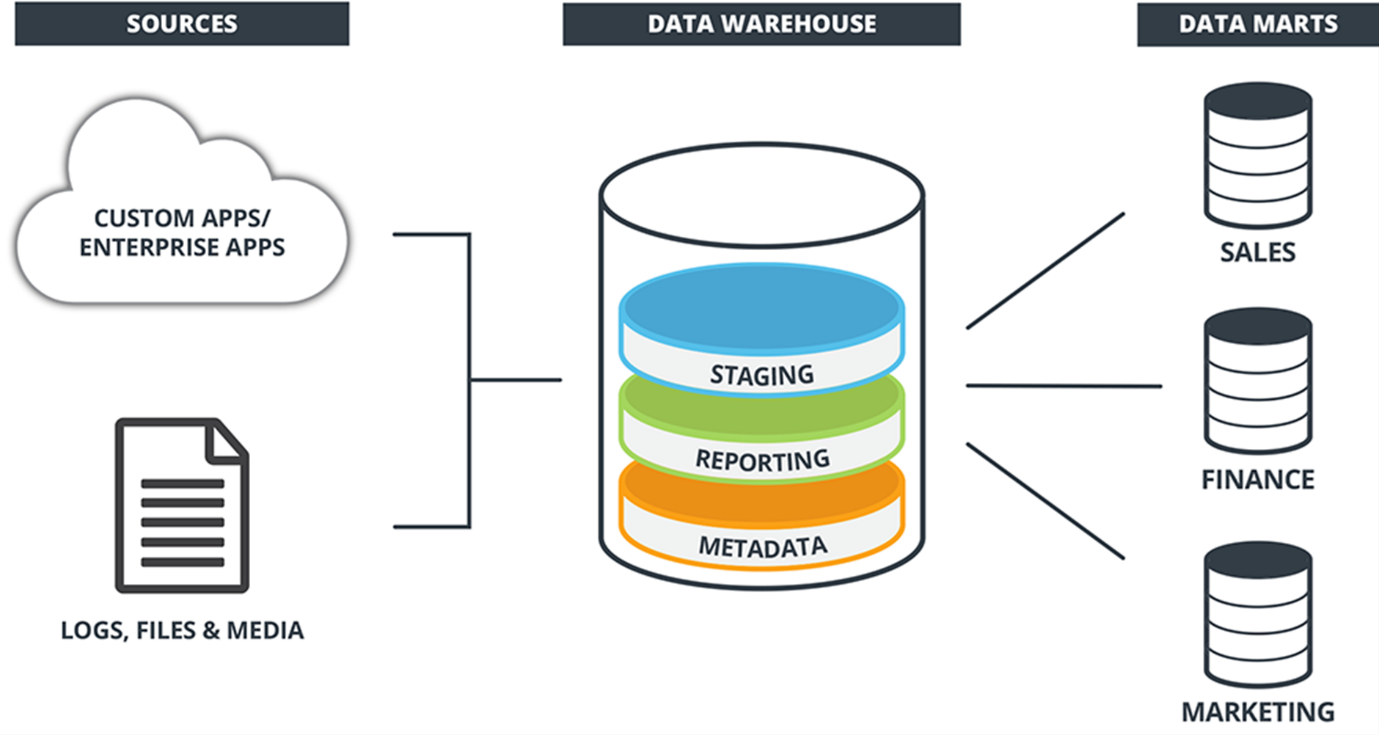
As a business grows, the need is no longer just to store data but to analyze it to make decisions. This is where Data Warehouse systems come into their own.
A Data Warehouse usually:
- Pulls data from many different systems
- Standardizes and consolidates it
- Serves reporting, BI and AI
- Common solutions include:
- SQL Server Data Warehouse
- Oracle Data Warehouse
- PostgreSQL combined with BI tools
- BigQuery (cloud)
An analytical database does not replace the operational database; the two exist side by side, keeping the system stable while enabling effective analysis.
4. Cloud databases
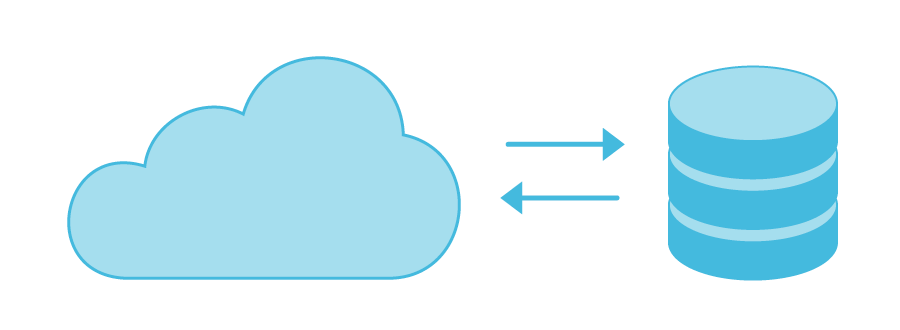
The current trend is for businesses to move gradually to cloud databases to reduce infrastructure costs and increase scalability. Cloud databases allow:
- Automatic backups
- Automatic scaling
- Less dependence on hardware
- Common options:
- Azure SQL Database
- AWS RDS
- Google Cloud SQL
However, when using the cloud, businesses need to pay attention to:
- Data security
- Legal regulations
- Long-term costs
5. Which type of database should a business choose?
No database is “the best for every case”. The choice depends on:
- The size of the business
- The type of system
- The complexity of the business operations
- The investment budget
- The plan for future expansion
In practice, a business system often uses several types of database at once:
- A relational database for core operations
- Redis for caching
- MongoDB for flexible data
- A Data Warehouse for analytics
